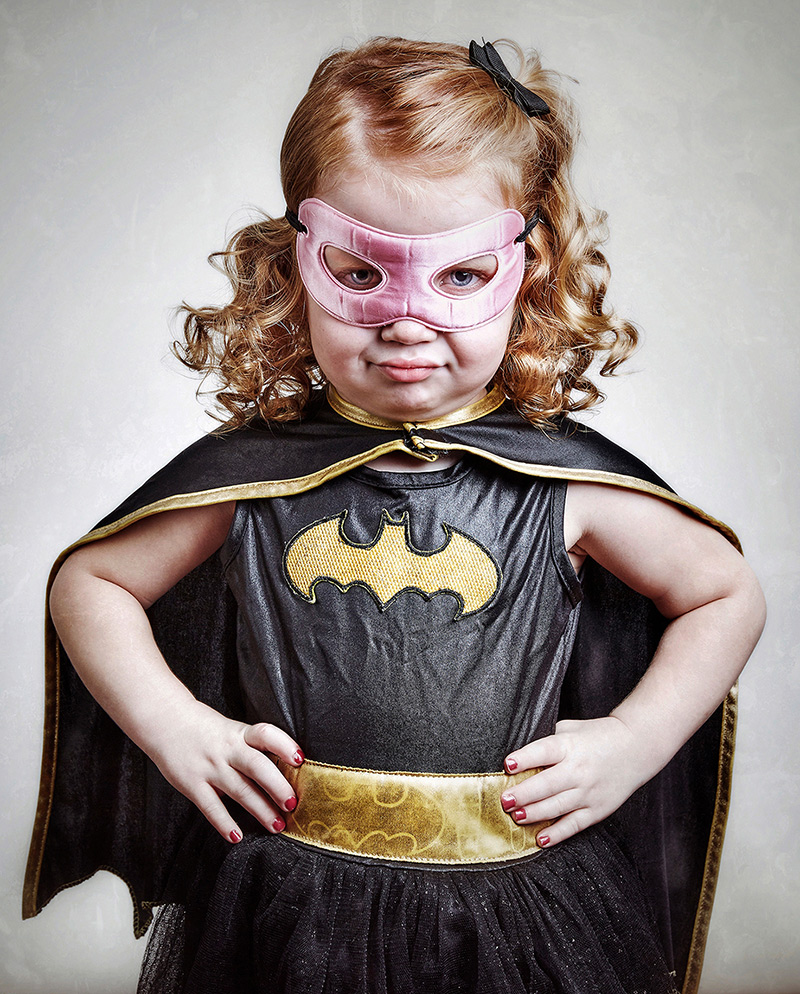
This year I’ve worked with some incredible storytellers and photojournalists – photographers who shoot for New York Times, Sunday Times, National Geographic and Conde Nast, and who are chasing more work in the ad world.
(Perhaps that resonates with you)
There are a few key differences between those worlds, and one of them can be a bit of a sticking point:
When you’re used to capturing stories, particularly for editorial and content assignments, you can rely on groups of work to do the job. A scene-settling image of the place. A portrait of the person in said place. A few captured moment in-the-flow images. A detail.
You have the luxury of multiple images to build the story and provide context.
But in the ad world, and even for singles and covers in the editorial world, there’s often call for ONE image which must do all the heavy lifting; it must encompass an entire idea, and if it’s a campaign, it will only ever be seen in separate locations.
That’s why when I review (or Blitz) photographer’s work, I start by identifying the heroes; the images that will do this job, and stand alone without support images, regardless of where they’re seen.
The hero image must stop me in my tracks, move me, and convince me, without an explanation.
There’s nothing wrong with a series of images. In fact I advocate all the time that photographers shoot bodies of cohesive work which tell a compelling story, especially in their personal projects.
But even then, I always insist on establishing the hero images before editing them together. There’s noting worse than a ‘transitional’ image which tells a story but let’s down the quality of the series (I see this all the time when I’m judging).
So, if you’re editing your work to share with people in the ad world, or you want to be noticed by judges and curators, don’t forget the power of each individual photograph.
 Marketing
 Folios & Editing
 Finding Direction
 Asia Assignments
 Personal Work
 Closing the deal
 Most Recent
 Case studies
 Interviews